

custom frosted glass
Understanding the 1% 4% 20% Thread Gage A Comprehensive Overview In the world of engineering and manufacturing, precision is critical. One of the vital tools that ensure threads meet required specifications is the thread gage. Among the many types available, the 1% 4% 20% thread gage is particularly noteworthy for its effective measurement capabilities. This article will delve into the significance, application, and implications of using this specific thread gage in various industries. What is a Thread Gage? A thread gage is a tool used to measure the size, pitch, and depth of threads on screws, nuts, and other fasteners. When a thread gage is employed, it can help in determining whether the threads are within the tolerances specified by engineering standards. Different types of thread gages are available, including plug gages, ring gages, and thread pitch gages, and each serves a unique purpose. The 1% 4% 20% Thread Gage Explained The term 1% 4% 20% in the context of thread gages typically refers to the statistical quality control framework used to assess the acceptable limits of tolerances in thread manufacturing. This principle is often grounded in the Six Sigma methodology, which aims to improve the quality of process outputs by identifying and removing causes of defects and minimizing variability. 1. 1% Tolerance This level indicates that only 1% of the production can fall outside of the specified tolerance range. It highlights the importance of maintaining extremely tight tolerances, crucial in high-performance applications where even the slightest misalignment can lead to catastrophic failures. 2. 4% Tolerance At this level, 4% of the products can be permissible deviations from the norm. This tolerance is often suitable for parts that are less critical but still require a robust measurement system to ensure performance and reliability over time. 3. 20% Tolerance With a broader tolerance of 20%, this standard might be applicable in applications where precision is less critical, allowing for easier manufacturing processes while still maintaining a baseline quality. This could be useful in less demanding assemblies where high-strength materials mitigate risks. Applications of the 1% 4% 20% Thread Gage The use of the 1% 4% 20% thread gage spans various industries, including 1 4 20 thread gage - Aerospace In this highly regulated field, thread precision is paramount. A slight defect could threaten the safety of an aircraft. Employing a 1% tolerance ensures that components meet stringent performance standards. - Automotive In the automotive sector, parts must endure extreme conditions, from temperature fluctuations to mechanical stress. Using these gages allows manufacturers to provide reliable materials that stand the test of time. - Manufacturing For general manufacturing, utilizing a 4% or 20% tolerance can enhance productivity. It empowers manufacturers to achieve a balance between efficiency and quality, allowing for cost-effective production without sacrificing essential standards. Benefits of Utilizing 1% 4% 20% Thread Gages 1. Quality Assurance Incorporating these gages into a quality assurance process minimizes defects and variances in production, ensuring that products consistently meet established specifications. 2. Cost Efficiency By identifying potential faults early in the production line, companies can reduce waste and save costs related to rework and scrap materials. 3. Enhanced Safety In critical applications where human lives are at stake, ensuring high-quality components through rigorous testing with thread gages can significantly enhance overall safety. 4. Regulatory Compliance Many industries are subject to regulatory standards that specify the required tolerances for components. Using these gages can help organizations stay compliant and avoid legal complications. Conclusion In conclusion, the 1% 4% 20% thread gage serves as an essential tool in various sectors that require high levels of precision in threaded components. By understanding and applying these standards, manufacturers can ensure quality, safety, and efficiency in their production processes. As technology advances, the importance of such measurement tools will only grow, cementing their place in the future of manufacturing and engineering.
about
custom frosted glass
LumberLok Brackets Revolutionizing the Art of Lumber Support In the world of carpentry and woodworking, the quest for innovative and efficient solutions to support and secure wood beams is a never-ending pursuit. Traditional methods often involve the use of nails or screws, which can be time-consuming, labor-intensive, and leave unsightly holes in the wood. That's where LumberLok brackets come into play, offering a revolutionary approach to beam support that is both strong and aesthetically pleasing. LumberLok brackets are designed with a unique interlocking mechanism that provides unparalleled strength and stability. Unlike traditional brackets, which rely on pressure alone to hold beams in place, LumberLok brackets utilize a patented locking system that locks the bracket in place as soon as it is installed. This means that beams can be quickly and easily secured without the need for any additional tools or hardware. One of the standout features of LumberLok brackets is their versatility. They can be used in a wide range of applications, from supporting roof rafters and floor joists to securing beams in decks and porches. The brackets are available in a variety of sizes and styles to suit different project requirements, making them an ideal choice for both professional carpenters and DIY enthusiasts. Another key advantage of LumberLok brackets is their aesthetic appeal. Unlike traditional brackets, which can detract from the natural beauty of wood, LumberLok brackets are designed to blend seamlessly with the wood grain Unlike traditional brackets, which can detract from the natural beauty of wood, LumberLok brackets are designed to blend seamlessly with the wood grain Unlike traditional brackets, which can detract from the natural beauty of wood, LumberLok brackets are designed to blend seamlessly with the wood grain Unlike traditional brackets, which can detract from the natural beauty of wood, LumberLok brackets are designed to blend seamlessly with the wood grain lumberlok brackets . This means that they not only provide the necessary support but also enhance the overall appearance of the structure. Installation of LumberLok brackets is a breeze. Simply position the bracket on the beam, align it with the desired location, and push down until it locks into place. Because the brackets are so easy to install, you can complete your project much faster than with traditional methods. Plus, since there's no need for pre-drilling or other complex procedures, the risk of errors or damage to the wood is greatly reduced. In conclusion, LumberLok brackets represent a significant advancement in the field of lumber support. Their unique design, versatility, and aesthetic appeal make them an excellent choice for anyone looking to add strength and beauty to their woodworking projects. Whether you're a professional carpenter or a DIY enthusiast, LumberLok brackets are sure to make your next project a success.
-

High quality industrial productsagement

High quality industrial products
View Details -

Meet the diverse needs of customers

Meet the diverse needs of customers
View Details -

Strict quality control

Strict quality control
View Details -

Top raw materials

Top raw materials
View Details -

Trusted supplier

Trusted supplier
View Details
Our application

news and information
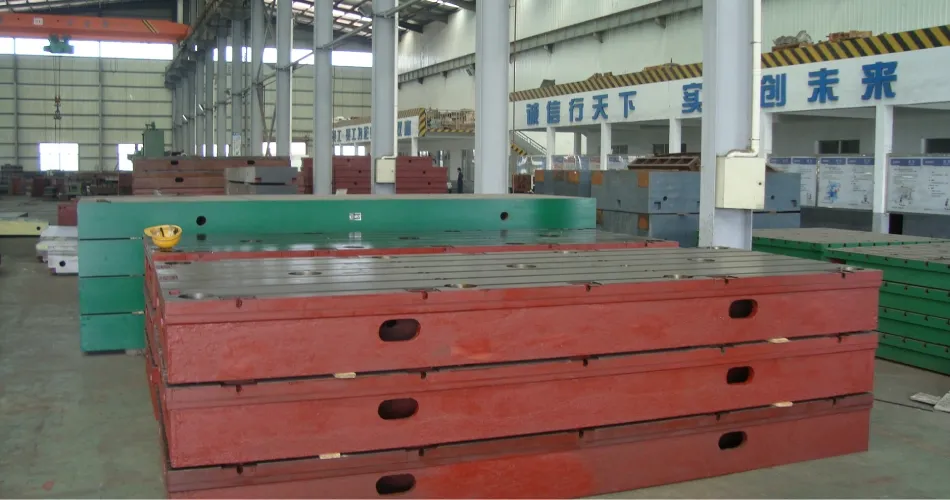
Verktyg för att mäta och utvärdera prestationer och framsteg
measuring tool .

welded steel workbench
The Advantages of Using a Welded Steel Workbench In the realm of industrial workspaces, the signific
v block cost
Understanding V-Block Cost A Comprehensive Overview In the rapidly evolving landscape of technology
 English